FRP vs PVC Roof Sheet: Which is the Best Roofing Choice for Your Project?
When planning a commercial, industrial, or agricultural building, choosing the right material for your roof is a critical decision. Among the most popular lightweight and cost-effective materials on the market today are FRP (Fiberglass Reinforced Plastic) sheets and PVC (Polyvinyl Chloride) sheets.
Both materials offer excellent alternatives to traditional metal or glass roofing, but they possess distinctly different properties, lifespans, and performance characteristics. In this ultimate FRP vs PVC roof sheet comparison, we will break down the differences in durability, light transmission, weather resistance, and cost to help you select the ideal option for your specific project.
Understanding the Basics: What are FRP and PVC Roof Sheets?
Before diving into the direct comparison, it is essential to understand how these two plastics are engineered.
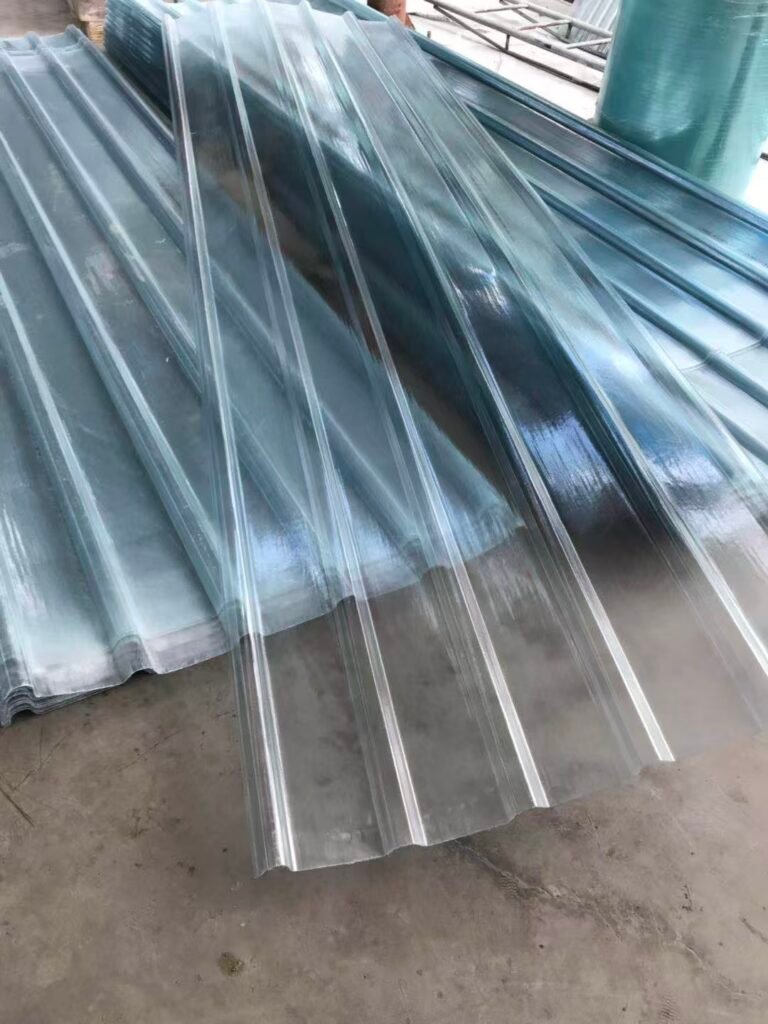
- FRP Roof Sheet: FRP stands for Fiberglass Reinforced Plastic. It is a composite material made by embedding high-strength glass fibers into a premium polymer resin matrix. This combination gives it exceptional structural rigidity and high impact resistance.
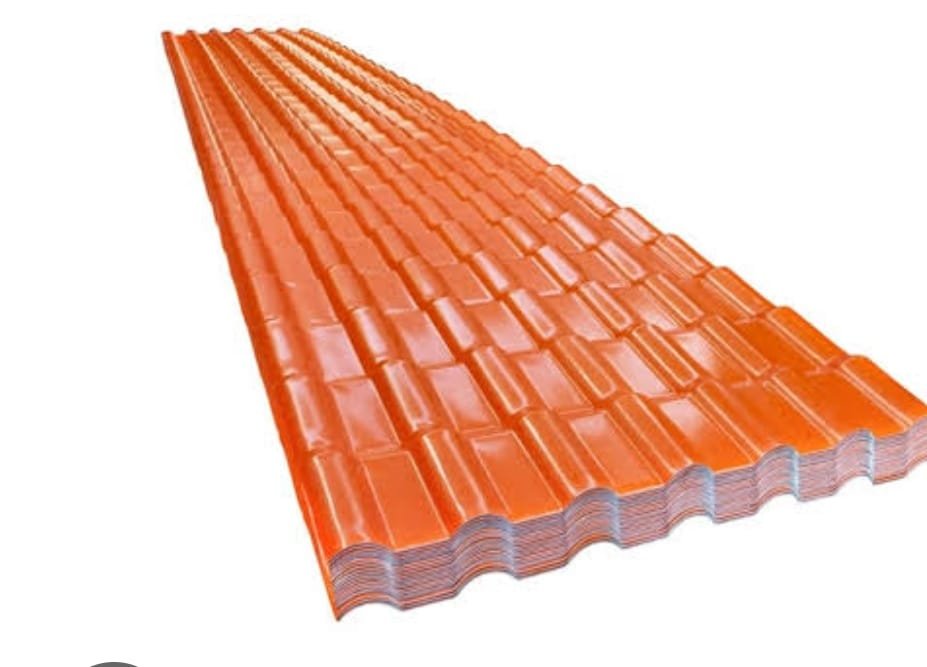
- PVC Roof Sheet: PVC stands for Polyvinyl Chloride. These sheets are thermoplastic panels made from synthetic plastic polymers. Modern agricultural and industrial variants are often engineered as ASA PVC roofing sheets (co-extruded with an ASA layer) to enhance their weatherability and color stability.
Head-to-Head Comparison: FRP vs PVC Roof Sheet
To give you a clear picture, let’s compare these two roofing options across five essential performance metrics:
1. Light Transmission & Diffusion
- FRP: FRP sheets excel at light diffusion. Available as transparent fiberglass sheets or FRP skylight panels, they allow high levels of natural light (typically 65% to 85%) to pass through while scattering it evenly. This eliminates harsh glare and hot spots, making FRP the absolute gold standard for greenhouse roofing and industrial workshop skylights.
- PVC: While clear PVC sheets exist, they tend to offer direct light transmission rather than diffusion. Over time, standard PVC panels exposed to heavy sunlight are more prone to yellowing and becoming brittle compared to high-grade, UV-protected FRP panels.
2. Structural Rigidity and Span Strength
- FRP: Thanks to the fiberglass reinforcement, FRP corrugated roofing has outstanding tensile strength and rigidity. It expands and contracts minimally with temperature changes and can span longer distances between structural purlins without sagging under heavy wind or snow loads.
- PVC: PVC is inherently more flexible. While flexibility makes it excellent for curved roofs, it has lower structural rigidity than FRP. PVC roofs require closer purlin spacing during installation to prevent sagging over time under extreme temperatures.
3. Temperature Resistance and Thermal Stability
- FRP: FRP boasts an impressive temperature tolerance range, operating flawlessly from -40°C up to +120°C. It will not deform in intense summer heat or crack in freezing winter conditions.
- PVC: PVC is more sensitive to thermal extremes. In high-temperature environments, PVC can soften or warp, while extreme cold can make it brittle and susceptible to cracking from hail or physical impact.
4. Impact Resistance and Durability
- FRP: The embedded fiberglass mesh acts as a shield, giving FRP superior impact resistance against heavy hail, falling branches, and accidental impacts during maintenance. Its structural integrity easily lasts 15 to 20+ years.
- PVC: High-quality ASA PVC roofing tiles offer good impact resistance when new, but as standard PVC ages under consistent solar UV exposure, its impact strength gradually decreases compared to composite FRP.
5. Chemical and Corrosion Resistance
- Both materials perform exceptionally well here. Both FRP and PVC are 100% rust-proof and highly resistant to acids, alkalis, and industrial emissions. This makes both choices excellent for chemical plants, coastal warehouses, and livestock farms where corrosive ammonia fumes destroy traditional metal roofing.
| Feature / Property | FRP Roof Sheet (Fiberglass) | PVC Roof Sheet (Polyvinyl Chloride) |
| Material Type | Composite (Resin + Fiberglass) | Thermoplastic Polymer |
| Light Transmission | High (Excellent Diffusion, No Hot Spots) | Moderate to Low (Direct Light) |
| Rigidity & Strength | High (Resists sagging over large spans) | Flexible (Requires closer support spacing) |
| Temperature Range | Excellent (-40°C to +120°C) | Moderate (Prone to softening in extreme heat) |
| Lifespan | Long-lasting (15–20+ Years) | Moderate (10–15 Years, depending on UV grade) |
| Primary Use Case | Skylights, Greenhouses, Industrial Roofs | Corrosive Factories, Residential Canopies, Wall Cladding |
The Verdict: When to Choose FRP vs. PVC?
Choose FRP Roof Sheets if:
You are building a greenhouse, commercial nursery, or industrial skylight where uniform, diffused natural light is critical.
Your project is located in an area with extreme weather conditions (heavy snow, hail storms, or high summer heat).
You want a roof with maximum longevity and structural rigidity that requires fewer supporting beams.
Choose PVC Roof Sheets if:
You need a budget-friendly, highly flexible roofing solution for curved architectural layouts.
You are looking for opaque, colored roofing (like PVC synthetic resin tiles) for residential carports, patios, or localized wall cladding where daylight transmission is not required.
The project involves a standard indoor environment with tightly spaced support frameworks.
Conclusion
In the battle of FRP vs PVC roof sheet, there is no single “perfect” material—only the right material for your specific application. FRP provides unmatched strength, thermal stability, and light-diffusing capabilities for heavy-duty or agricultural settings. Meanwhile, PVC offers cost-effective flexibility for standard structures.
Are you looking for the perfect roofing material from a trusted China roof tile factory? Contact our technical support team today to discuss your project requirements, get professional material recommendations, and receive a free quote!


