Available in TR5, Spanish Tile and Corrugated Profiles: Complete ASA UPVC Roofing Guide for South America
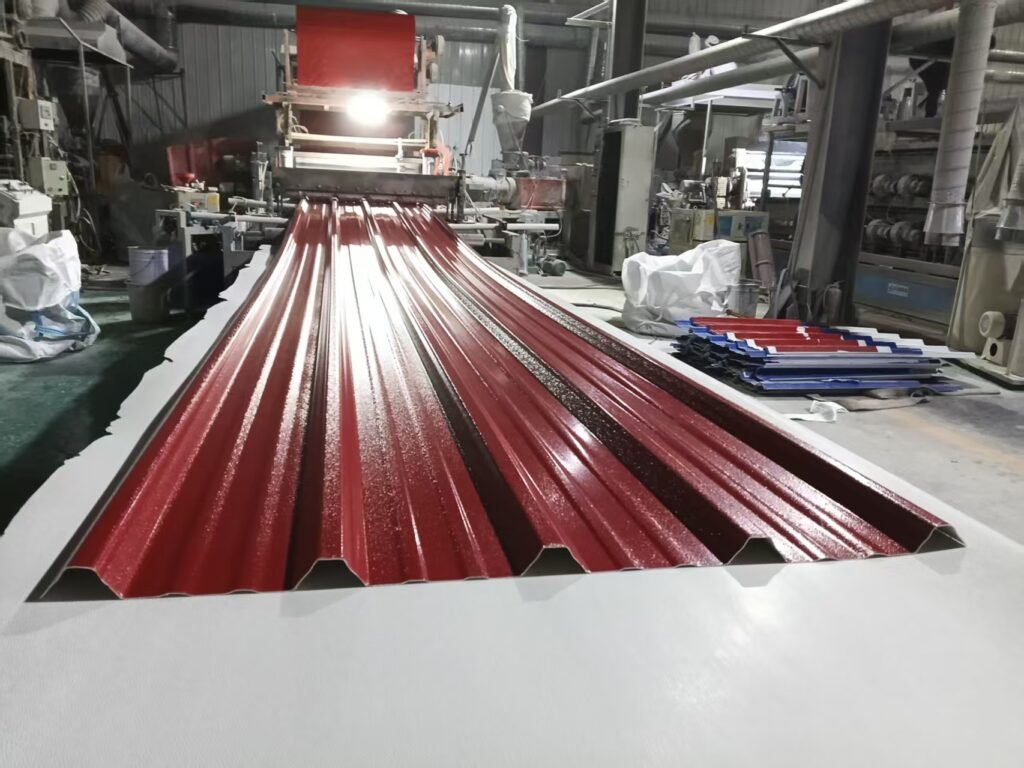
ASA UPVC Roof Sheet in TR5, Spanish Tile and Corrugated Profiles for South America
Choosing a roofing sheet is not simply a matter of selecting a color or comparing the lowest price per square meter. For distributors, importers, contractors and construction-material wholesalers, the correct roofing system must match the building type, local climate, installation method, target customer and expected market positioning.
This is particularly important across South America.
A distributor supplying industrial warehouses in Colombia may need a different profile from a wholesaler selling residential roofing in Peru. A poultry-farm project in Ecuador has different requirements from a villa project in Bolivia, while coastal construction may place greater emphasis on corrosion resistance and outdoor weather performance.
For this reason, Yan-Sen supplies ASA UPVC Roof Sheet solutions in several profiles, with TR5 Roof Sheet, Spanish Roof Tile and Corrugated UPVC Roofing Sheet forming three important product groups for South American buyers.
Rather than forcing every project to use the same roofing profile, buyers can select the shape, thickness, length, color, surface configuration and accessories according to the intended application.
For distributors building their own brands, customization can go further. OEM options may include private-label packaging, protective-film printing, product labels, customized lengths, selected colors and other specifications subject to production feasibility.
This combination of product variety and customization makes ASA UPVC roofing particularly relevant for B2B buyers who need more than a standard stock item.
This guide explains the differences between TR5, Spanish Tile and Corrugated profiles, where each product is normally used, what specifications buyers should confirm before ordering and how importers can work with a Roofing Sheet Manufacturer to develop products for their local markets.
What Is an ASA UPVC Roof Sheet?
An ASA UPVC Roof Sheet is a polymer-based roofing product designed for outdoor roofing applications.
The name combines two important material concepts.
ASA refers to acrylonitrile styrene acrylate, a material used as an exterior weather-resistant surface in many outdoor applications.
UPVC refers to unplasticized polyvinyl chloride, which provides the structural body of the roofing sheet.
Depending on the product design and manufacturing process, these materials can be combined into a multi-layer roofing structure intended to provide a balance between weather performance, structural rigidity, appearance and corrosion resistance.
For buyers, however, the chemical terminology is less important than understanding what the finished roofing system is designed to accomplish.
A professional UPVC roofing product should be evaluated according to factors such as:
- roof profile;
- total thickness;
- effective coverage width;
- panel length;
- surface layer;
- structural design;
- color;
- fastening method;
- overlap design;
- purlin spacing;
- project environment;
- required accessories.
This is why two products described simply as “UPVC roofing sheets” can perform differently.
Price should therefore never be compared without confirming the complete specification.
A thinner sheet, different surface formulation, different profile geometry or different effective width can change both material cost and project performance.
For distributors, specification transparency is particularly important because the product must remain consistent from one shipment to the next.
Why ASA Is Used on the Exterior Surface
Roofing is continuously exposed to the outdoor environment.
Depending on location, a roof may face intense sunlight, rainfall, humidity, temperature variation, dust, salt-containing air and industrial contaminants.
The exterior layer therefore plays an important role.
ASA is used because it is suitable for exterior applications where weatherability and color retention are important design considerations.
For a distributor selling roofing in South America, this can be relevant in markets with:
- high UV exposure;
- tropical rainfall;
- humid agricultural environments;
- coastal conditions;
- strong seasonal temperature changes.
The correct product still needs to be selected according to the actual project and local building requirements. No roofing material should be described as universally suitable for every environment.
UPVC Roofing Sheet vs Ordinary PVC Roofing Sheet
Buyers frequently search for both UPVC Roofing Sheet and PVC roofing sheet, but the terms should not automatically be treated as identical.
UPVC generally refers to rigid PVC formulations without the plasticizers used in flexible PVC products.
For roofing applications, rigidity and dimensional stability are important because the sheet must form part of an installed roof system rather than behave like a flexible membrane.
When evaluating a supplier, buyers should therefore ask for the actual product specification rather than relying only on terminology.
Important questions include:
- What is the total thickness?
- What is the surface-layer structure?
- What is the profile drawing?
- What is the total width?
- What is the effective width after overlap?
- What lengths are available?
- What colors are available?
- What accessories match the profile?
- What purlin spacing is recommended?
- What installation method is recommended?
These questions make quotations easier to compare.
Three Main Profiles: TR5, Spanish Tile and Corrugated
The phrase “ASA UPVC roofing” describes a material family rather than one single shape.
Profile selection has a major effect on the final application.
For South American buyers, three useful product categories are:
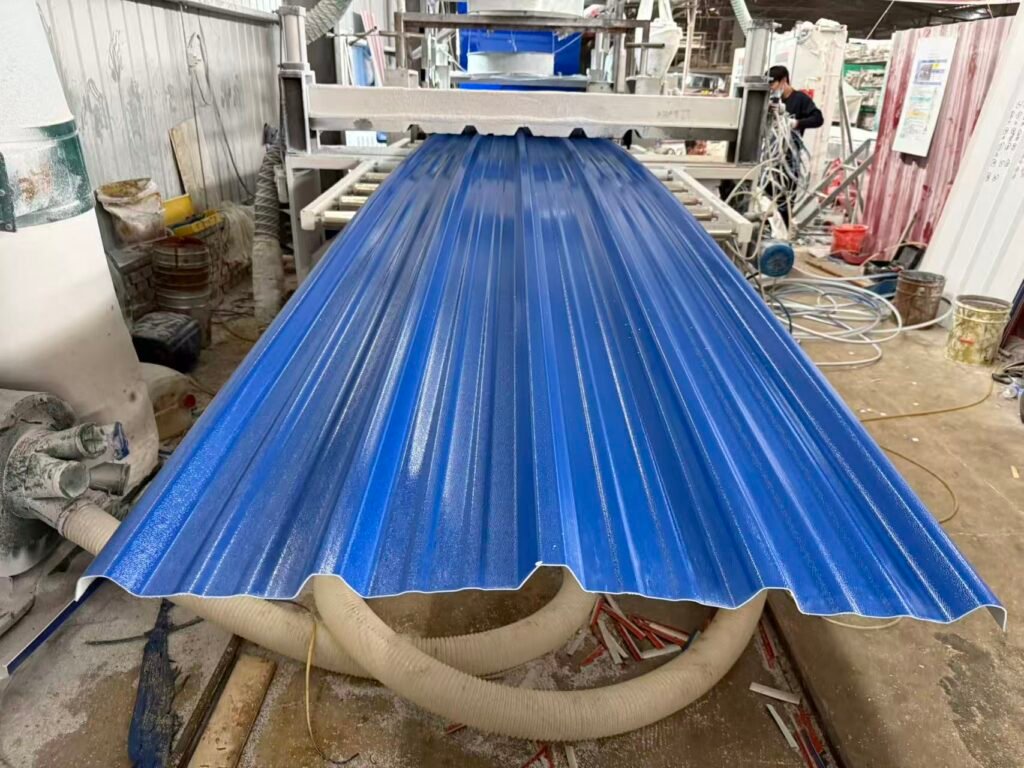
TR5 Roof Sheet
A trapezoidal industrial roofing profile suitable for many warehouses, factories, agricultural buildings and commercial structures.
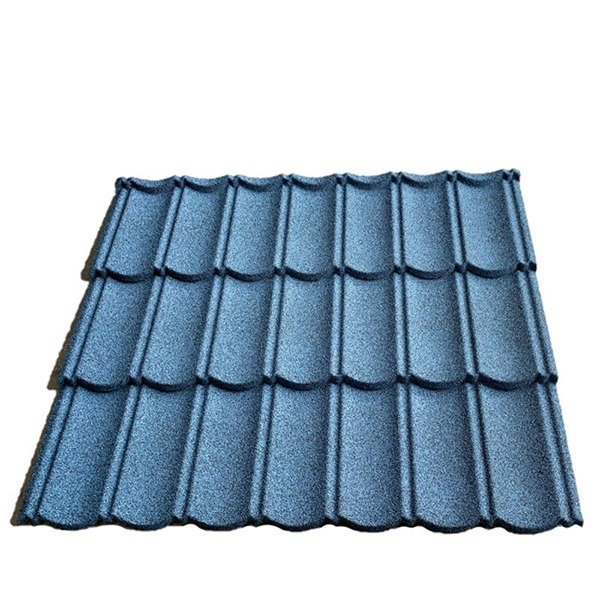
Spanish Roof Tile
A decorative tile-style roofing profile designed primarily for residential and architectural applications where appearance is important.
Corrugated UPVC Roofing Sheet
A wave-profile roofing product suitable for various agricultural, industrial and general-purpose roofing applications.
Each profile serves a different market.
A distributor who understands these differences can build a broader roofing portfolio without having to change the underlying product category.
TR5 Roof Sheet: Industrial Roofing for South American Markets
The TR5 Roof Sheet is particularly important in parts of Latin America where trapezoidal roofing profiles are familiar to contractors and construction-material distributors.
“TR5” is commonly associated with a five-rib trapezoidal profile, although exact dimensions can vary by manufacturer and market.
This distinction matters.
A buyer should never assume that every TR5 sheet from every factory has exactly the same dimensions.
Before ordering, request the technical drawing.
Confirm:
- total width;
- effective width;
- rib height;
- rib spacing;
- overlap;
- thickness;
- length;
- fixing position.
This prevents compatibility problems at the jobsite.
Where Is TR5 Roofing Used?
TR5-style UPVC roofing can be considered for applications such as:
- industrial warehouses;
- factories;
- logistics buildings;
- agricultural storage;
- workshops;
- commercial structures;
- livestock buildings;
- distribution centers;
- production facilities.
The trapezoidal shape makes it visually appropriate for buildings where an industrial appearance is preferred.
Why Distributors Should Carry TR5
From a distributor’s perspective, TR5 can serve a broad B2B customer base.
Potential customers include:
- roofing contractors;
- warehouse developers;
- industrial construction companies;
- agricultural project contractors;
- building-material dealers;
- roofing wholesalers.
This is different from a decorative Spanish tile, which is more strongly associated with architectural roofing.
A distributor can therefore use TR5 as the industrial part of an ASA UPVC product range.
TR5 Custom Lengths
Length customization can be valuable because project dimensions vary.
A Roofing Factory China can manufacture selected lengths within production, transport and container-loading limitations.
However, longer is not automatically better.
Very long panels may create:
- handling difficulties;
- higher risk of damage during unloading;
- container-loading restrictions;
- greater thermal-movement considerations;
- installation challenges.
The correct length should therefore be determined by balancing roof design, logistics and installation.
Spanish Roof Tile: Architectural Roofing with a Traditional Appearance
The Spanish Roof Tile serves a different purpose.
Instead of emphasizing an industrial trapezoidal appearance, it uses a tile-like profile intended to reproduce the visual rhythm of traditional roofing.
This makes it attractive for projects such as:
- villas;
- houses;
- hotels;
- resorts;
- restaurants;
- schools;
- commercial buildings;
- entrance structures;
- residential developments.
For South American markets, architectural appearance can strongly influence the customer’s final decision.
A roofing distributor therefore needs both functional industrial products and visually differentiated residential products.
Synthetic Resin Roof Tile
Spanish-style ASA UPVC roofing is often marketed internationally as Synthetic Resin Roof Tile.
This keyword is important because buyers may use different terminology for essentially similar product families.
Searches may include:
- Synthetic Resin Roof Tile;
- ASA Synthetic Resin Tile;
- UPVC Roof Tile;
- Spanish Roof Tile;
- ASA Roof Tile;
- Plastic Spanish Roof Tile;
- Teja Sintética;
- Teja UPVC;
- Teja ASA.
A strong product page should therefore use the terminology naturally rather than repeating one exact keyword throughout the text.
Color Selection for Spanish Roofing
Popular architectural colors may include:
- terracotta;
- brick red;
- dark red;
- grey;
- dark grey;
- green;
- blue;
- customized colors where production conditions permit.
Terracotta and brick-red tones can support a more traditional appearance, while grey shades are suitable for modern architectural projects.
The best color depends on the building design and local market preference.
For importers, carrying too many colors in the first order can increase inventory complexity. It may be more efficient to identify the two or three colors with the strongest local demand before expanding the range.
Corrugated UPVC Roofing Sheet
Corrugated roofing remains one of the most recognizable roofing formats in the world.
A Corrugated UPVC Roofing Sheet uses repeating wave geometry rather than the trapezoidal ribs of TR5 or the decorative tile steps of Spanish roofing.
It can be used in applications where customers want a practical, familiar roof profile.
Potential applications include:
- agricultural buildings;
- workshops;
- storage structures;
- livestock facilities;
- poultry farms;
- markets;
- sheds;
- selected industrial buildings.
Why Corrugated Profiles Remain Relevant
One reason is market familiarity.
Installers in many regions already understand corrugated roofing.
A familiar profile can reduce the learning curve when a distributor introduces a new roofing material.
However, compatibility still needs to be checked.
A UPVC corrugated profile should not automatically be assumed to match the dimensions of an existing metal or fiber-cement corrugated sheet.
Always compare the profile drawing.
TR5 vs Spanish Tile vs Corrugated: Which Profile Should You Choose?
The correct answer depends on the application.
| Project | Recommended Profile | Main Selection Reason |
|---|---|---|
| Industrial warehouse | TR5 | Industrial geometry and efficient roof coverage |
| Factory | TR5 | Suitable profile for industrial roofing layouts |
| Logistics center | TR5 | Practical for large commercial roof areas |
| Villa | Spanish Tile | Architectural appearance |
| Residential house | Spanish Tile | Traditional tile-style appearance |
| Hotel or resort | Spanish Tile | Decorative roofing |
| Poultry farm | Corrugated/TR5 | Select according to structure and ventilation design |
| Livestock building | Corrugated/TR5 | Practical agricultural roofing |
| Workshop | Corrugated/TR5 | Functional roofing solution |
| Commercial entrance | Spanish Tile | Higher visual impact |
This table is a starting point rather than an engineering specification.
Final selection should consider local structural requirements, roof pitch, wind conditions, support spacing and installation design.
按类别列出产品
-
Polyurethane (PU) Sandwich Panel for Cold Room & Roof Insulation
原价为:$1.50。$1.10当前价格为:$1.10。 -
Premium ASA uPVC Trapezoidal Roofing Sheets for Industrial Projects
原价为:$1.50。$1.10当前价格为:$1.10。 -
Premium Colored Stone Coated Metal Roof Tiles | Durable Roofing Sheet
原价为:$1.50。$1.10当前价格为:$1.10。 -
Premium Polycarbonate Embossed & Diamond Sheets for Architectural Glazing
原价为:$1.50。$1.10当前价格为:$1.10。 -
Premium Polycarbonate Solid Sheets for Industrial and Architectural Glazing
原价为:$1.50。$1.10当前价格为:$1.10。 -
Premium PVC Flat Sheets and Solid Boards for Industrial and Chemical Applications
原价为:$1.50。$1.10当前价格为:$1.10。 -
Standard Clear PVC Strip Curtain Manufacturer | YAN-SEN
原价为:$1.50。$1.10当前价格为:$1.10。 -
UPVC Transparent Corrugated Tile Supplier | Factory Direct Price
-
UV Resistant Polycarbonate Hollow Sheet OEM for Distributor in Peru – Warehouse
原价为:$1.50。$1.10当前价格为:$1.10。
How to Choose the Correct ASA UPVC Roofing Thickness
Thickness is one of the first questions asked by importers.
However, selecting a roofing sheet based only on thickness can be misleading.
The appropriate specification depends on:
- profile geometry;
- support spacing;
- roof slope;
- building type;
- wind conditions;
- sheet length;
- installation design;
- expected loads;
- local regulations.
A thicker product may provide additional rigidity, but increasing thickness also increases material usage, weight and cost.
A professional Roofing Sheet Manufacturer should therefore help the buyer select a specification rather than automatically recommend the thickest sheet.
For distributors, carrying several thickness options may be useful when serving different market segments.
An entry-level project, standard commercial project and higher-specification project do not necessarily require the same product.
Effective Width Is More Important Than Many Buyers Realize
One of the most common purchasing mistakes is comparing price by sheet instead of calculating effective coverage.
Every profiled roofing sheet has:
- total width;
- overlap;
- effective width.
The effective width determines how much roof area each sheet actually covers after installation.
Consider two roofing sheets with similar prices.
If one provides a larger effective coverage width, the installed material cost per square meter may be lower.
Therefore, when comparing quotations, calculate:
Roof Area ÷ Effective Coverage = Approximate Required Sheet Quantity
Then add appropriate allowances for overlaps, cutting and project waste.
This provides a more meaningful cost comparison than simply comparing unit prices.
Custom Length Roofing Sheets
Customized length is one of the strongest advantages of OEM Roofing for professional distributors.
Instead of limiting customers to only a few standard lengths, a factory may be able to manufacture project-specific lengths.
Benefits can include:
- fewer transverse joints;
- reduced cutting;
- easier project planning;
- less waste;
- cleaner installation.
However, the order must also be compatible with container dimensions and safe handling.
For this reason, customized production should be coordinated with logistics before the final order is confirmed.
Color Customization for Distributors
Color is not merely cosmetic.
It can be an important part of a distributor’s market strategy.
For example:
- terracotta may target residential roofing;
- grey may target modern industrial projects;
- white or light colors may be requested for certain agricultural applications;
- green may be preferred in specific commercial or agricultural markets.
For established distributors, customized colors can help differentiate a private-label product line.
Before developing a special color, confirm:
- minimum production quantity;
- color reference;
- acceptable color tolerance;
- sample approval procedure;
- repeat-order consistency.
This reduces misunderstandings between the importer and factory.
OEM Roofing for South American Distributors
For many importers, the real value of working directly with a manufacturer is not simply a lower price.
It is the ability to build a differentiated product.
OEM Roofing can turn a generic imported roofing sheet into a distributor’s own branded product line.
Depending on the order and manufacturing capabilities, customization may include:
Private-Label Branding
The distributor’s brand can be incorporated into approved packaging or product identification.
This helps local wholesalers develop brand recognition instead of competing only on price.
Protective Film Printing
Where applicable, protective film can display information such as:
- distributor brand;
- logo;
- product name;
- contact details;
- installation reminders.
The exact printing options should be confirmed before production.
Customized Packaging
Packaging can be designed according to the importer’s distribution model.
The objective is not merely appearance.
Good packaging should also support:
- warehouse identification;
- product separation;
- unloading;
- inventory control;
- retail or wholesale presentation.
Customized Labels
Labels can contain:
- product profile;
- thickness;
- length;
- color;
- quantity;
- production information;
- distributor SKU;
- barcode where required.
Customized Length
Project-oriented distributors may order lengths based on common local roof dimensions.
Customized Color
Color programs can be developed for markets where distributors have sufficient volume.
Product Range Development
A distributor does not need to sell only one profile.
A more complete range can include:
- TR5 Roof Sheet;
- Spanish Roof Tile;
- Corrugated UPVC Roofing Sheet;
- ridge caps;
- edge accessories;
- fasteners;
- other compatible roofing components.
This allows the distributor to sell a roofing system rather than a single sheet.
Why Private-Label Roofing Can Be More Valuable Than Generic Imports
A generic product is easy for competitors to compare.
Customers can simply ask several suppliers for the same product and select the lowest price.
Private-label development changes the commercial model.
The distributor can establish its own:
- product naming;
- specification;
- packaging;
- color range;
- dealer network;
- technical documents;
- installation guides;
- warranty policy where applicable;
- local marketing materials.
Over time, this can reduce direct price comparison.
This is one reason why experienced importers increasingly look for an OEM Roof Sheet Manufacturer rather than simply searching for the lowest quotation.
Roofing Solutions for Warehouses
Warehouses represent an important market for industrial roofing.
A warehouse roof may cover thousands of square meters, making material selection economically significant.
Buyers typically consider:
- installation speed;
- structural weight;
- corrosion environment;
- indoor temperature;
- maintenance;
- roof geometry;
- drainage;
- expected service conditions.
TR5-style ASA UPVC roofing can be considered for industrial warehouse projects where a trapezoidal profile is compatible with the structural design.
Before specifying the product, confirm:
- support spacing;
- roof slope;
- fastening requirements;
- panel length;
- expansion allowance;
- local wind requirements.
For large projects, project drawings should be reviewed before the final quantity is calculated.
ASA UPVC Roofing for Factories
Factories can create more demanding roofing environments than ordinary residential buildings.
Potential challenges include:
- humidity;
- dust;
- industrial gases;
- temperature variation;
- chemical exposure.
Metal roofing can be suitable for many factories, but corrosive environments may require additional consideration.
UPVC-based roofing is often evaluated by buyers seeking a non-metallic alternative.
However, the exact suitability depends on the chemicals present, concentration, temperature and exposure conditions.
For chemical facilities, buyers should provide detailed environmental information to the supplier before selecting the product.
Roofing for Poultry Farms
Poultry buildings require careful environmental management.
The roof can affect:
- indoor temperature;
- condensation;
- ventilation;
- maintenance;
- corrosion conditions.
Agricultural environments may contain humidity and ammonia, which can be challenging for some materials.
For this reason, corrosion-resistant roofing products are frequently considered for poultry projects.
A distributor serving poultry-farm contractors should not sell roofing sheets alone.
A more professional package includes:
- recommended profile;
- matching accessories;
- installation instructions;
- ventilation considerations;
- quantity calculation.
This makes the distributor more valuable to the customer and reduces installation problems.
Roofing for Livestock and Agricultural Buildings
Agricultural roofing is a broad market.
Applications may include:
- cattle buildings;
- pig farms;
- feed storage;
- machinery sheds;
- fertilizer storage;
- crop storage;
- workshops.
The ideal roofing product depends on the building.
For example, fertilizer storage may create a different corrosion environment from machinery storage.
A Roofing Supplier should therefore ask what will happen inside the building before recommending a product.
Roofing for Coastal Areas
South America has extensive coastlines along both the Pacific and Atlantic oceans.
Coastal projects may face:
- salt-containing air;
- high humidity;
- strong sunlight;
- wind;
- heavy seasonal weather.
Corrosion performance is therefore an important consideration.
Non-metallic roofing materials can be attractive in projects where corrosion is a major concern.
However, coastal construction also requires careful structural design because wind loads can be significant.
Roofing material selection cannot replace proper engineering.
Fastening, support spacing and edge detailing must comply with the project design and applicable local standards.
Roofing for Hot Climates
Heat is another common concern.
Roof performance is affected by several factors:
- roof color;
- roof material;
- insulation;
- ventilation;
- ceiling design;
- building orientation;
- local climate.
A light-colored roof can reflect more solar energy than a dark-colored surface, but the entire building envelope must be considered.
Buyers should avoid claims that one roofing sheet alone will solve every thermal problem.
For warehouses, farms and factories in hot climates, the best solution may combine suitable roofing with ventilation or insulation.
ASA UPVC vs Metal Roofing
There is no universal winner.
Metal roofing has important advantages, including structural strength, established standards and widespread installer familiarity.
ASA UPVC roofing offers different advantages.
It may be attractive where buyers prioritize:
- corrosion resistance;
- non-metallic construction;
- color;
- lower maintenance requirements in certain environments;
- lightweight panels.
The correct material depends on the project.
For a heavily loaded structural application, an engineered metal roofing system may be preferable.
For a corrosive agricultural environment, a UPVC system may offer practical advantages.
Professional suppliers should help customers make this distinction instead of claiming that one material is always better.
ASA UPVC vs FRP Roofing
FRP roofing and ASA UPVC roofing serve overlapping but different applications.
FRP is widely used for:
- industrial roofing;
- daylight panels;
- translucent roofing;
- corrosion-resistant applications.
ASA UPVC is generally selected where an opaque roofing panel or decorative profile is required.
A project may even use both materials.
For example, an industrial roof can combine opaque roofing sheets with compatible translucent daylight panels.
This allows the building to benefit from natural lighting while maintaining an opaque primary roof.
ASA UPVC vs Polycarbonate Roofing
Polycarbonate is widely used where light transmission is important.
Typical applications include:
- canopies;
- skylights;
- greenhouses;
- covered walkways;
- architectural glazing.
ASA UPVC roofing is normally opaque and serves a different function.
Therefore, buyers should not compare the two products solely on price.
The correct question is:
Does the project require light transmission or an opaque roof?
If daylight is required, polycarbonate may be more appropriate.
If the project requires an opaque industrial or decorative roofing system, ASA UPVC may be the better category to evaluate.
ASA UPVC vs Ordinary PVC Roofing
This comparison requires care because product formulations vary widely.
The term “PVC roofing sheet” can refer to many products with different structures and quality levels.
Instead of relying only on the product name, compare:
- surface layer;
- formulation;
- thickness;
- profile;
- effective width;
- manufacturing process;
- application;
- warranty terms where offered.
This creates a more objective purchasing decision.
Buying ASA UPVC Roofing for Colombia
Colombia has diverse climatic zones and a developed market for industrial, agricultural and residential roofing.
Buyers may encounter terms such as:
- teja UPVC;
- teja termoacústica;
- teja sintética;
- teja española;
- teja TR5;
- cubierta UPVC.
For industrial distribution, TR5-style profiles can be particularly relevant.
For residential and architectural markets, Spanish-style synthetic tiles can complement the product range.
A Colombian distributor considering imports should first identify whether its strongest customer base is:
- industrial;
- agricultural;
- residential;
- retail building materials.
The answer determines which profile should be prioritized.
ASA UPVC Roofing for Peru
Peru includes coastal, mountain and tropical regions, which means roofing requirements vary significantly.
A supplier serving Peru should avoid offering one generic specification for every region.
Coastal construction may prioritize corrosion resistance and UV exposure, while highland projects can face different temperature conditions.
For distributors, a mixed product strategy may include:
- TR5 for industrial projects;
- Spanish Roof Tile for residential and hospitality projects;
- Corrugated profiles for agricultural and general-purpose applications.
Private-label packaging in Spanish can further improve local market positioning.
ASA UPVC Roofing for Ecuador
Ecuadorian buyers may serve industrial, agricultural and residential construction markets.
Humidity and UV exposure can be relevant depending on region and elevation.
For agricultural projects, practical corrugated or trapezoidal profiles may be attractive.
For housing and architectural projects, Spanish-style roofing provides a different market proposition.
Importers should verify local construction requirements before selecting specifications.
ASA UPVC Roofing for Bolivia
Bolivia’s geography creates significant differences between regions.
Roofing solutions for Santa Cruz may face different conditions from projects in high-altitude areas.
This makes specification selection particularly important.
Distributors should consider:
- project location;
- temperature;
- UV exposure;
- building type;
- structural design;
- customer price segment.
A broad product portfolio allows the importer to serve more than one market.
ASA UPVC Roofing for Chile
Chile has a long north-to-south geography and correspondingly diverse climatic conditions.
Industrial buyers may prioritize practical trapezoidal profiles, while architectural customers may prefer decorative roofing.
For coastal projects, corrosion resistance can be an important selection factor.
As always, wind design and local construction standards must be evaluated by the project engineer.
ASA UPVC Roofing for Brazil
Brazil represents a large and diverse construction market.
Portuguese terminology should be considered when developing local SEO and distributor marketing materials.
Relevant expressions may include:
- telha UPVC;
- telha de PVC;
- telha de resina sintética;
- telha colonial;
- cobertura industrial.
For distributors, localized Portuguese catalogs and technical documents can support market development.
What South American Importers Should Confirm Before Ordering
Before placing an order with any Roofing Supplier, confirm the following.
1. Profile Drawing
Never order only by product name.
Request the drawing.
2. Total and Effective Width
These determine actual roof coverage.
3. Thickness
Confirm the measurement method.
4. Length
Confirm standard and customized options.
5. Color
Approve a physical or agreed reference where necessary.
6. Surface Structure
Understand the material configuration.
7. Accessories
Confirm compatible ridge caps and other components.
8. Packaging
Ensure the packaging is suitable for international transportation.
9. Container Loading
Confirm estimated loading quantities before calculating landed cost.
10. OEM Requirements
Finalize artwork and labels before mass production.
How to Compare Quotations from Different Roofing Manufacturers
Do not compare only:
USD per sheet.
Instead compare:
- USD per effective square meter;
- thickness;
- effective width;
- length;
- profile;
- surface structure;
- accessories;
- packaging;
- OEM cost;
- container quantity;
- quality-control procedure;
- lead time;
- documentation.
A quotation that appears cheaper per sheet may be more expensive after effective coverage is calculated.
This is one of the most important principles for professional roofing importers.
How to Select a Roofing Sheet Manufacturer in China
Finding a Roofing Factory China through a search engine or B2B platform is easy.
Evaluating the factory is more difficult.
Ask potential suppliers for:
- factory photos;
- production videos;
- profile drawings;
- product specifications;
- sample availability;
- packaging information;
- loading photos;
- quality-control procedures;
- export documentation capability;
- OEM options.
A serious supplier should be willing to provide technical information before asking for an order.
Factory or Trading Company?
Trading companies are not automatically a poor choice.
They can provide sourcing flexibility and combine multiple product categories.
However, buyers requiring:
- customized profiles;
- repeatable specifications;
- private-label production;
- customized colors;
- long-term product development;
may benefit from direct cooperation with a manufacturer.
A factory relationship also makes technical communication easier when specifications need to be adjusted.
Wholesale Roofing for Distributors
Wholesale Roofing buyers have different needs from individual project customers.
A distributor needs products that can be:
- stocked;
- explained easily;
- sold repeatedly;
- reordered consistently;
- differentiated from competitors.
This means product-range planning is important.
Instead of importing random profiles, create a structured range.
For example:
Industrial Series
TR5 Roof Sheet
Agricultural Series
Corrugated UPVC Roofing Sheet
Residential Series
Spanish Roof Tile
Accessories Series
Ridge caps and matching components
This makes the product catalog easier for sales teams and dealers to understand.
Building a Private Roofing Brand
A strong distributor should eventually move beyond generic products.
A private roofing brand can include:
- consistent product names;
- defined specifications;
- selected colors;
- branded packaging;
- technical data sheets;
- installation manuals;
- product photographs;
- project references;
- dealer marketing materials.
The factory becomes part of the supply chain, while the importer controls the local brand.
This is where OEM Roofing creates greater strategic value.
Recommended Product Strategy for a New Distributor
A new importer does not need dozens of profiles.
Start with a focused range.
Product 1: TR5
Target:
- warehouses;
- factories;
- industrial contractors.
Product 2: Spanish Tile
Target:
- residential dealers;
- villas;
- hotels;
- architectural projects.
Product 3: Corrugated UPVC
Target:
- agricultural dealers;
- farms;
- workshops;
- general construction.
This three-profile strategy covers several customer segments without creating excessive inventory complexity.
Installation Considerations
Installation quality is as important as product quality.
Common issues can result from:
- incorrect purlin spacing;
- insufficient roof slope;
- incorrect overlap;
- over-tightened screws;
- inadequate allowance for thermal movement;
- incorrect fastener location;
- unsupported sheet edges;
- unsuitable accessories.
Always follow the manufacturer’s installation guidance and local engineering requirements.
Thermal Expansion
Polymer roofing materials expand and contract as temperature changes.
Installation must therefore allow appropriate movement.
This may affect:
- hole diameter;
- screw tightening;
- sheet length;
- overlap;
- fixing design.
Ignoring thermal movement can cause deformation or stress around fasteners.
Installers unfamiliar with UPVC roofing should receive clear installation instructions before starting the project.
Roofing Accessories
A roofing system is not complete without compatible accessories.
Depending on profile and roof design, accessories may include:
- ridge caps;
- side flashing;
- wall flashing;
- valleys;
- screws;
- washers;
- sealing components;
- gutters;
- edge details.
Selling the complete system can improve both project quality and distributor revenue.
Container Loading and International Shipping
International buyers should consider logistics during product selection.
Roofing sheets are long products, so container utilization is affected by:
- sheet length;
- profile;
- nesting efficiency;
- packaging;
- accessory quantity.
Before confirming an order, request a preliminary loading plan.
This helps the buyer estimate:
- quantity per container;
- freight cost per square meter;
- landed cost;
- warehouse requirements.
For South American importers, logistics can significantly affect final competitiveness.
Quality Control Before Shipment
A professional production and shipment process should include appropriate checks.
Depending on product and order requirements, these may include:
- dimensions;
- thickness;
- profile;
- color;
- surface appearance;
- quantity;
- packaging;
- labels.
For OEM orders, artwork should be approved before mass production.
Buyers can also request photos or videos of the completed goods before shipment where agreed with the supplier.
Frequently Asked Questions About ASA UPVC Roofing
What is an ASA UPVC Roof Sheet?
It is a rigid polymer roofing product combining a UPVC structural body with an ASA exterior weather-resistant surface or layer, depending on product design.
What is a TR5 Roof Sheet?
TR5 generally refers to a trapezoidal five-rib roofing profile used in industrial and commercial roofing. Exact dimensions vary, so buyers should confirm the manufacturer’s drawing.
Is TR5 suitable for warehouses?
It can be suitable for warehouse roofing when the profile, thickness, support spacing and fastening design meet project requirements.
What is a Spanish Roof Tile?
It is a decorative tile-style roofing profile designed to provide a traditional architectural appearance.
What is a Synthetic Resin Roof Tile?
The term commonly describes polymer-based decorative roof tiles, including ASA UPVC Spanish-style roofing products.
What is Corrugated UPVC Roofing?
It is a rigid UPVC roofing sheet formed into repeating wave-shaped corrugations.
Which profile is best for factories?
TR5 or another trapezoidal industrial profile is often considered, but final selection depends on the building design.
Which profile is best for villas?
Spanish-style roofing is commonly selected where architectural appearance is a priority.
Which profile is suitable for poultry farms?
Corrugated or trapezoidal UPVC profiles may be considered depending on building structure, ventilation and local conditions.
Can roofing sheet length be customized?
Yes, many orders can be produced in customized lengths subject to production and transportation limitations.
Can color be customized?
Custom colors may be possible depending on order quantity and factory production requirements.
Can I use my own brand?
Private-label and OEM programs can be developed for distributors subject to order requirements.
Can the protective film be printed?
Printing options may be available depending on the product and order quantity.
Can packaging carry my logo?
Customized packaging or labels may be available for OEM orders.
How should I compare roofing prices?
Compare effective square-meter coverage, specification, profile, thickness, packaging and logistics rather than only price per sheet.
What is effective width?
It is the usable roof coverage width after the required overlap between adjacent sheets.
Can ASA UPVC be used near the coast?
It can be considered for coastal environments because it is non-metallic and corrosion resistant, but structural and wind requirements still need engineering review.
Is ASA UPVC better than metal?
Neither material is universally better. The correct choice depends on corrosion conditions, structural requirements, budget and project design.
Is ASA UPVC better than FRP?
They serve different purposes. FRP is particularly useful for translucent or specialized industrial applications, while ASA UPVC is generally an opaque roofing system.
Is ASA UPVC better than polycarbonate?
They are used for different applications. Polycarbonate is often selected when light transmission is required.
What accessories should I order?
Accessories depend on the roof design and can include ridge caps, flashing, screws, washers and sealing components.
How do I calculate the quantity required?
Calculate roof dimensions using effective sheet coverage and include allowances for overlaps, cuts and project waste.
What information should I send for a quotation?
Provide profile, thickness, length, color, quantity, destination port and OEM requirements.
Can I order samples before purchasing a container?
Sample availability and shipping arrangements should be confirmed with the supplier.
How can distributors reduce inventory risk?
Begin with a focused selection of high-demand profiles, colors and specifications rather than carrying too many variations.
How to Request an Accurate Roofing Quotation
To receive a useful quotation, send the following information:
- Country and destination port
- Required profile: TR5, Spanish Tile or Corrugated
- Thickness
- Required length or project dimensions
- Color
- Quantity or approximate square meters
- Required accessories
- OEM/private-label requirements
- Packaging requirements
- Expected purchasing schedule
If the exact specification is not yet known, send the building type and project drawing.
A professional supplier can then help identify the information still required before pricing.
Choose the Right Roofing Profile for Your Market
TR5, Spanish Tile and Corrugated roofing should not be viewed as three competing products.
They are three tools for different market segments.
Choose TR5 Roof Sheet when your customers are mainly industrial contractors, warehouse builders and commercial projects.
Choose Spanish Roof Tile when appearance is important and your customers include residential dealers, villa developers, hotels and architectural projects.
Choose Corrugated UPVC Roofing Sheet when you need a practical profile for agricultural, workshop and general-purpose roofing markets.
For established distributors, the strongest strategy may be to carry all three.
That creates a complete ASA UPVC Roof Sheet portfolio capable of serving industrial, agricultural and residential customers from the same product family.
Work with an OEM Roofing Manufacturer for South America
For distributors, long-term competitiveness rarely comes from buying the cheapest roofing sheet available.
It comes from developing the correct product specification, maintaining consistent quality, controlling landed cost and building a product range that customers recognize and reorder.
Yan-Sen works with importers and distributors seeking customized roofing solutions for South American markets.
Available product directions include:
- TR5 industrial roofing;
- Spanish-style synthetic resin roof tiles;
- Corrugated UPVC roofing;
- customized colors;
- customized lengths;
- private-label programs;
- packaging customization;
- matching roofing accessories.
If you are evaluating a new roofing line, send us your target country, application, required profile, dimensions and estimated quantity.
We can discuss the appropriate specification and OEM options for your market.
Request a Quote
Send your requirements for:
TR5 | Spanish Tile | Corrugated UPVC Roofing
Include:
Country + Port + Profile + Thickness + Length + Color + Quantity + OEM Requirements
Our team can then prepare a project-specific quotation rather than a generic price list.


