Polycarbonate sheet offers a versatile balance of durability and light transmission, making it a popular choice for both architectural and industrial applications. The following guidelines help you select the appropriate type, thickness, and finish to meet your project requirements.
Types of polycarbonate sheet
- Clear extruded polycarbonate: High clarity with good impact resistance; suitable for glazing, skylights, and screens.
- Solid polycarbonate: Uniform color and strength throughout; ideal for protective barriers, machine guards, and safety panels.
- UV-coated polycarbonate: Enhanced resistance to UV exposure; recommended for outdoor use where longevity is a concern.
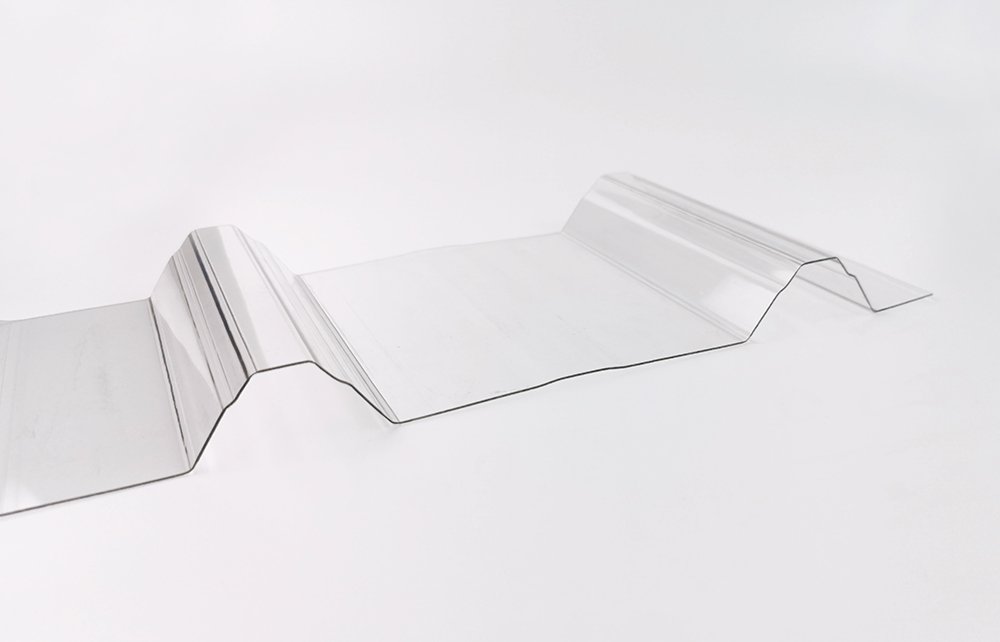
- Corrugated polycarbonate: Rigid, lightweight option for roofing and siding; available in multiple profiles and thicknesses.
Key properties to consider
- Impact resistance: Polycarbonate is exceptional at absorbing impact, far surpassing glass. For high-traffic or safety-critical areas, prioritize thicker gauges or multi-wall configurations.
- Light transmission: Clear sheets provide high visible light; tinted or frosted options reduce glare and heat gain.
- Thermal performance: Multi-wall and corrugated variants offer improved insulation; consider the climate and energy goals of the project.
- Weather resistance: UV protection extends life in outdoor installations; choose UV-stabilized grades for exterior exposure.
Thickness and structural requirements
- Light-duty applications: 2.5–3.8 mm (.10–.15 in) for interior partitions, displays, and light shielding.
- Moderate loads or outdoor use: 4–6 mm (.16–.24 in) for roofing panels and protective barriers.
- Heavy-duty or large-span installations: 8–10 mm (.31–.39 in) or thicker, possibly in multi-wall configurations to optimize strength and insulation.
- Span and support: Ensure supports are spaced according to the sheet thickness and profile; consult manufacturer charts to prevent sagging.
Profile choice: flat, multi-wall, and corrugated
- Flat sheets: Clean appearance, excellent optical quality; used for glazing, skylights, and display cases.
- Multi-wall sheets: Comprised of hollow cells that improve thermal performance and reduce weight; suitable for greenhouses, canopies, and rooflights.
- Corrugated sheets: Structural rigidity for roofing and siding; select profile and thickness based on wind load, snow load, and drainage considerations.
Light management and aesthetics
- Transparency vs. privacy: Clear sheets maximize daylight; frosted or tinted options provide privacy and reduce glare.
- Color and tint: Light blue, bronze, or gray hues can control heat gain and offer architectural styling.
- Surface finishes: Smooth surfaces yield the best clarity; textured finishes can diffuse light for interior spaces.
UV protection and long-term durability
- Exterior exposure: Choose UV-stabilized grades to resist yellowing and embrittlement.
- Coatings: UV coatings on one or both sides extend service life; ensure proper adhesion for outdoor conditions.
- Maintenance: Regular cleaning with mild detergent preserves clarity and performance.
Installation considerations
- Fastening methods: Use screws with washers or self-tapping fasteners designed for polycarbonate to prevent stress cracking.
- Sealing: Apply compatible gaskets or sealants at panel joints to minimize water ingress and thermal movement.
- Thermal movement: Allow for expansion and contraction with proper gaps or floating joints; rigid end-to-end mounting can cause warping.
- Burial and edge protection: Protect cut edges from moisture and chemical exposure; edge banding can improve durability.
Cost and value proposition
- Initial cost vs. lifespan: Polycarbonate often has a higher upfront cost than some alternatives but offers superior durability and longer service life.
- Life-cycle considerations: Factor energy savings from better insulation, reduced maintenance, and potential replacement intervals.
- Supplier reliability: Source from reputable manufacturers with documented UV performance, warranty terms, and technical support.
Maintenance and care
- Cleaning: Use mild detergents and soft cloths or sponges; avoid abrasive cleaners that can scratch surfaces.
- Scratches and restoration: Lightly buffing or reapplying UV coatings may restore appearance in some cases; consult the manufacturer for guidance.
- Inspections: Periodically check fasteners, seals, and edge protection for signs of wear or moisture ingress.
Choosing a solution for common applications
- Greenhouses and horticulture: Multi-wall or corrugated sheets with high light transmission and insulation properties.
- Conservatories and skylights: Clear or lightly tinted flat or multi-wall sheets with UV stabilization.
- Safety barriers and partitions: Solid or reinforced polycarbonate with robust impact resistance and appropriate thickness.
- Roofing and canopies: Corrugated profiles in thicker gauges, designed for weather resistance and load handling.
Decision checklist
- Define application: Interior partition, exterior roofing, or protective barrier.
- Determine exposure: Indoor, shaded outdoor, or full sun.
- Pick profile: Flat, multi-wall, or corrugated.
- Choose thickness: Based on required strength, span, and load.
- Select UV and color options: For longevity and aesthetic goals.
- Plan installation: Fastening method, seals, and thermal movement allowances.
- Confirm warranty and lead times: Ensure support and replacement parts availability.
This framework supports a systematic selection of polycarbonate sheet tailored to performance, durability, and cost considerations.
Polycarbonate sheets offer a versatile balance of structural durability and high light transmission, making them a popular choice for both modern architectural and industrial applications. Whether you are building a backyard pergola, a commercial greenhouse, or a heavy-duty warehouse skylight, selecting the right material is critical.
However, because there are so many specifications, thicknesses, and profiles available on the market, finding the perfect match can be confusing. Therefore, this comprehensive guide will walk you through exactly how to choose polycarbonate sheet tailored to your performance, durability, and cost considerations.
1. Understand the Types of Polycarbonate Sheets
First, you need to understand that polycarbonate panels come in several distinct structural forms. Each type serves a unique purpose depending on your project requirements.
- Solid Polycarbonate Sheets: These panels feature flat, uniform strength and excellent optical clarity throughout. Consequently, they are ideal for protective barriers, machine guards, and high-end security glazing where view clarity is essential.
- Polycarbonate Multiwall Sheets: Comprised of hollow cells or structures, these sheets are incredibly lightweight and offer outstanding thermal performance. As a result, they are the go-to option for greenhouses, conservatory roofing, and indoor partitions.
- Corrugated Polycarbonate Sheets: Featuring structural rigidity through wave profiles, these are highly cost-effective for roofing and siding. They are exceptionally rigid and ensure fast water drainage.
2. Evaluate Key Material Properties
Second, you must look closely at the technical properties to ensure the material can withstand your local environment.
Impact Resistance
Polycarbonate is exceptional at absorbing impact, far surpassing traditional glass and acrylic. For safety-critical or high-traffic environments, you should prioritize thicker solid sheets or multi-wall configurations to handle potential hail or falling debris.
Light Transmission and Insulation
Clear sheets maximize natural daylight by providing up to 85%–90% light transmission. On the other hand, frosted or tinted options (such as bronze, opal, or sky blue) reduce glare and heat gain. Furthermore, if thermal insulation is a priority for energy savings, multi-wall variants offer much better U-values than flat sheets.
3. Select the Right Thickness and Support Span
Next, determine the appropriate thickness based on the load requirements and wind forces of your location.
- Light-Duty Applications (2.5mm – 3.8mm): Excellent for interior partitions, advertising displays, and lightweight canopy shielding.
- Moderate Outdoor Loads (4mm – 6mm): Standard choice for residential patio roofing panels, DIY greenhouses, and protective barriers.
- Heavy-Duty Installations (8mm – 10mm or thicker): Required for large-span industrial skylights, heavy snow load zones, and high-wind environments.
⚠️ Important Note: Always ensure your support purlins are spaced according to the sheet’s structural chart. For example, rigid end-to-end mounting without proper expansion gaps can cause warping when temperatures shift.
4. Prioritize UV Protection and Long-Term Durability
After that, never overlook exterior exposure factors. Because raw plastic degrades under solar radiation, high-quality panels must feature a UV-stabilized layer on the exterior side.
Without proper UV protection, your beautiful panels will experience yellowing and embrittlement within just a few years. Therefore, when purchasing from a China roof tile factory, always confirm that the UV coating is applied on the sun-facing side and check their documented performance warranty.
5. Application-Specific Checklist
Finally, let us summarize how to choose polycarbonate sheet based on the most common applications:
- Greenhouses & Horticulture: Opt for corrugated or multiwall sheets with high light transmission and multi-layer thermal insulation.
- Conservatories & Skylights: Choose clear or lightly tinted flat sheets with dual-side UV stabilization for premium optical clarity.
- Industrial Roofing & Canopies: Select thick-gauge corrugated profiles designed specifically for wind load resistance and seamless integration with existing steel roofing tiles.
Conclusion
To sum up, learning how to choose polycarbonate sheet comes down to balancing your specific application needs with profile type, thickness, and proper UV protection. By paying attention to these engineering factors, you can guarantee a reliable service life of over 15 to 20 years.
Are you sourcing high-grade clear plastic roofing panels for an upcoming wholesale B2B project? Contact our expert technical support team today to get customized sizes, factory-direct pricing, and free samples!


